ACATMAR signs institutional support for the Blue Seal Coastal Cities Certification
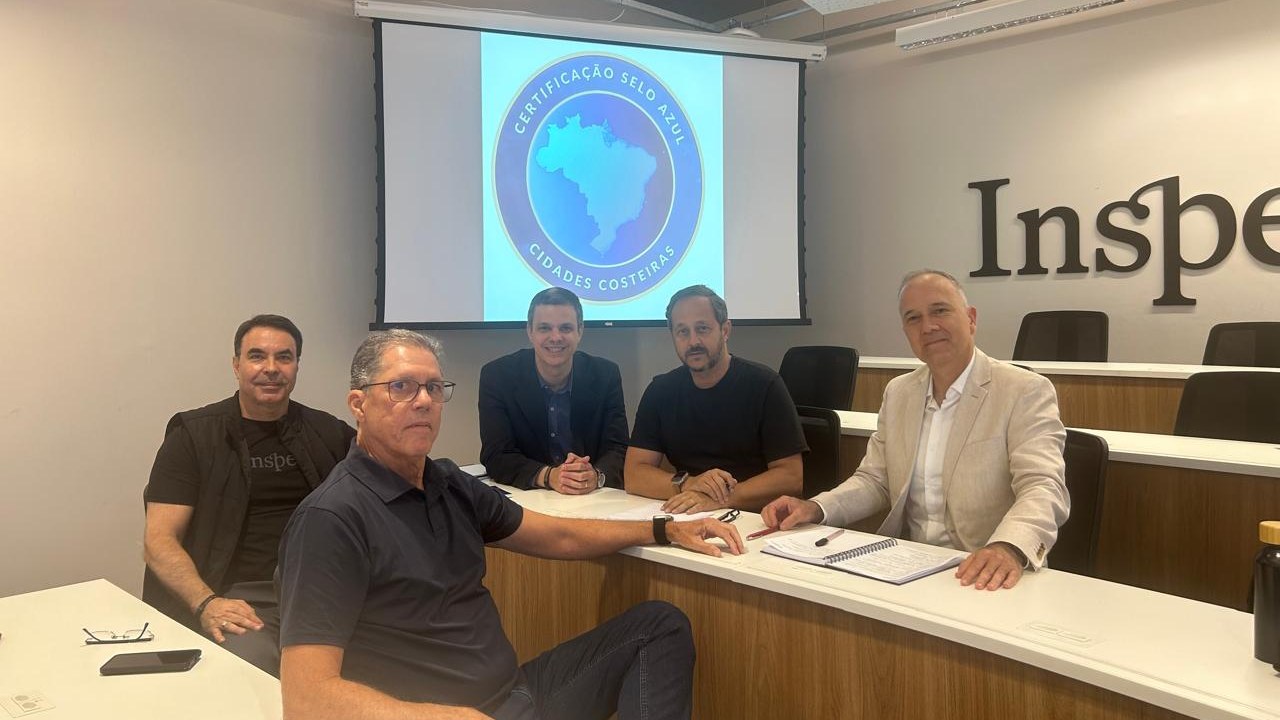
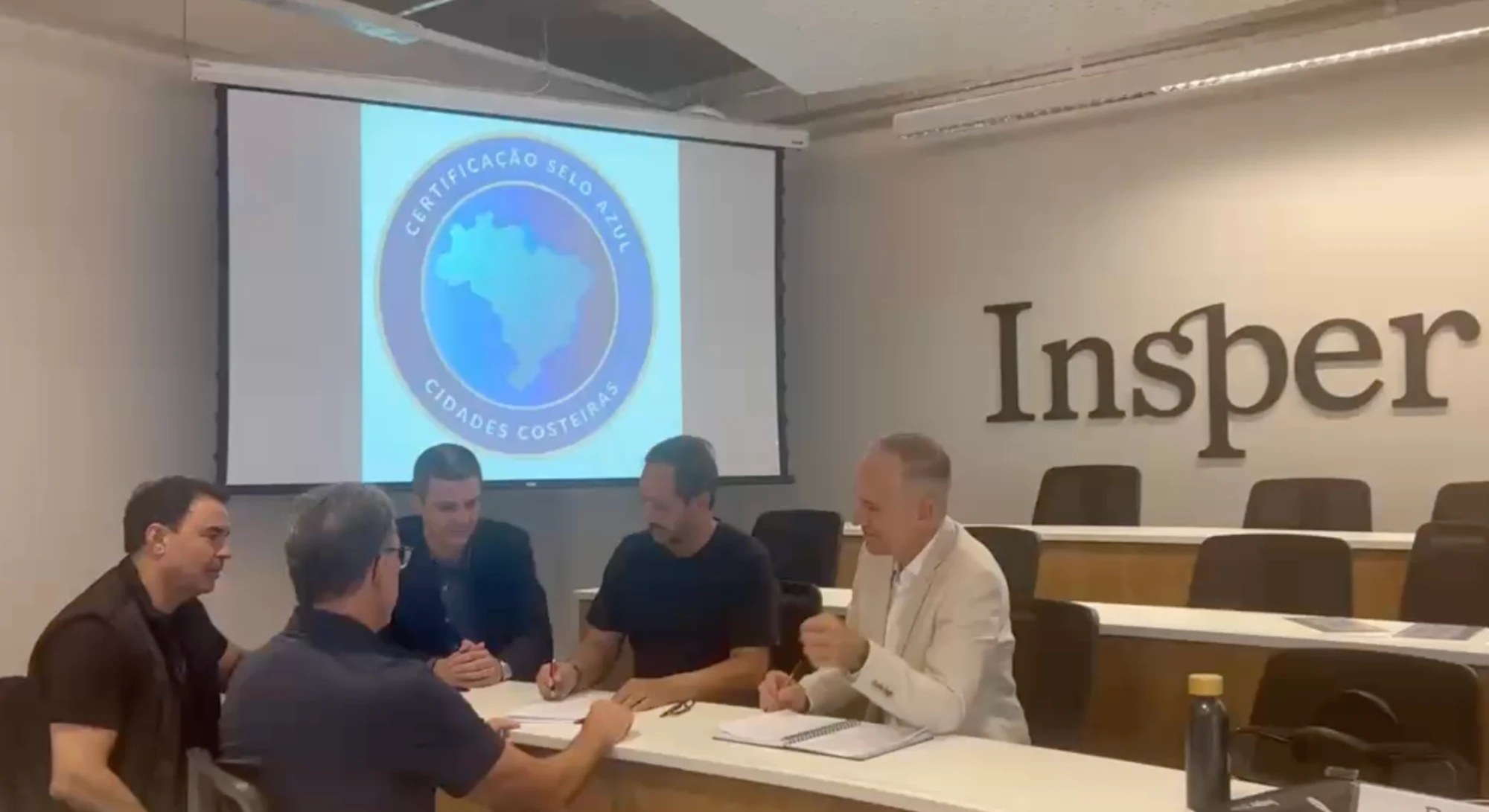
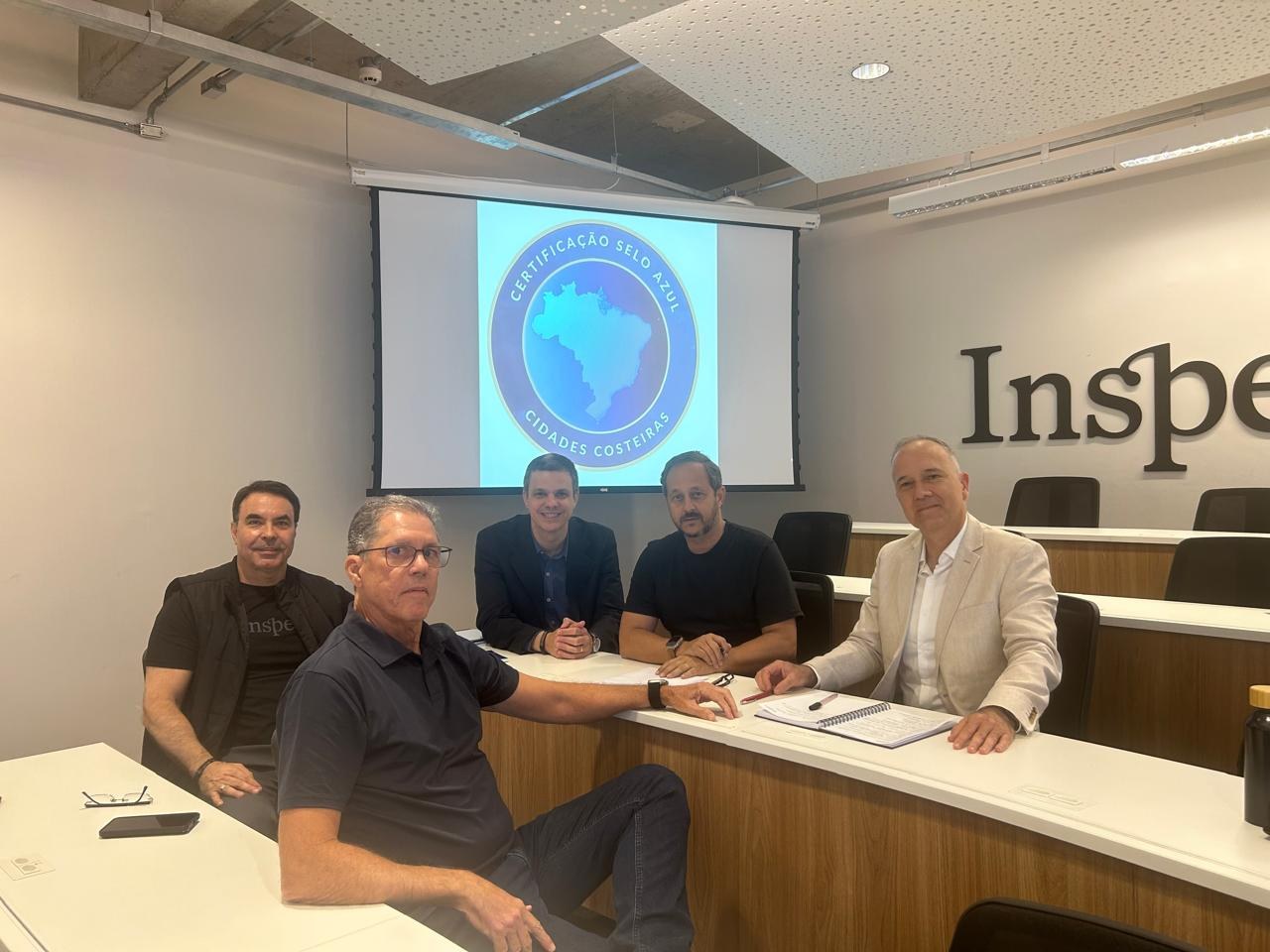
ACATMAR, the Brazilian Nautical Association, has officially become a supporter of the Blue Seal Coastal Cities Certification. The agreement was signed in São Paulo, at Insper, during the Blue Economy and Cities executive program, placing the association among the organizations that promote and encourage the certification in the country.
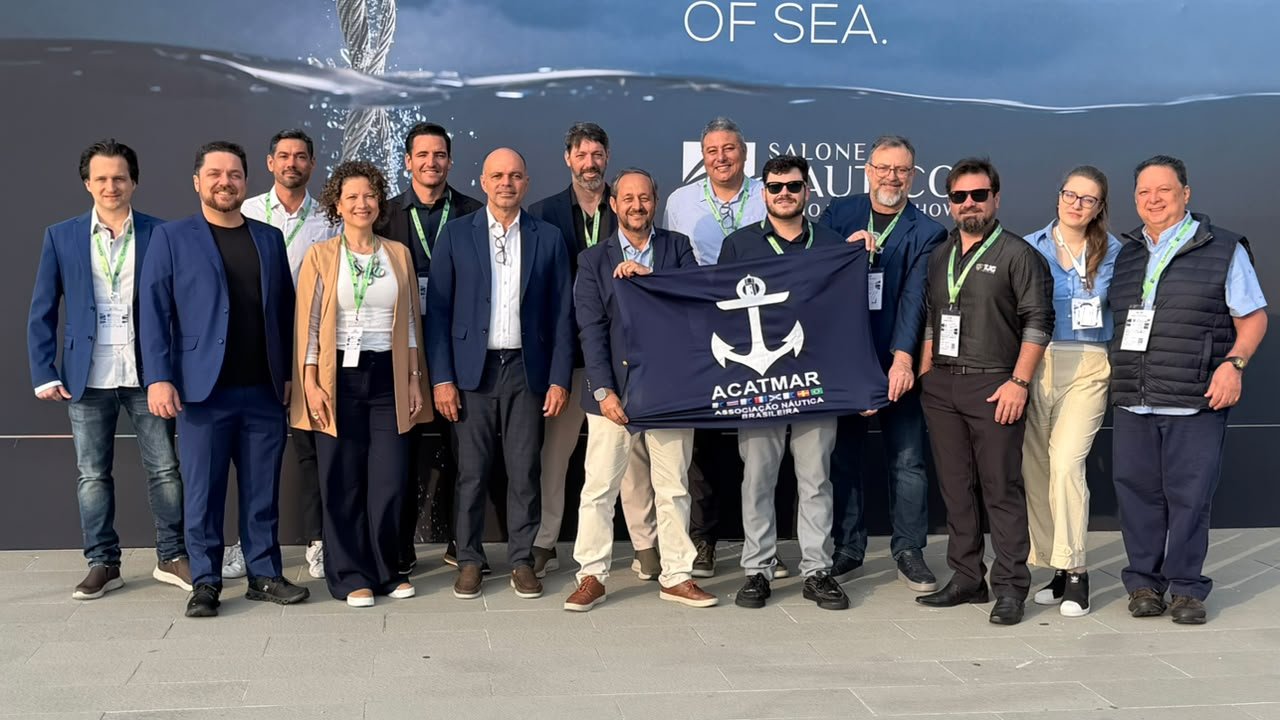
The institutional support was formalized by ACATMAR's president, Leandro "Mané" Ferrari, and by Rodrigo de Campos Carvalho, for Instituto Ocean. Headquartered in Florianópolis, ACATMAR is the reference organization for the economic and sustainable development of Brazil's nautical sector. Instituto Ocean leads a strategic agenda of conservation, innovation and connection between ocean knowledge and territorial development.
What the Blue Seal Coastal Cities Certification is
The certification is a public management tool designed for coastal municipalities. Created and formulated by professors Antonio Pinaud and Renato Dias Regazzi, it turns into objective requirements what a city needs in order to say that it works with the blue economy: a sea governance system, territorial planning instruments aligned with maritime activity, structured public policy and indicators able to measure progress year by year. There are twenty requirements to be met.
Macaé, in northern Rio de Janeiro state, was the first Brazilian city to join, in July this year. During the program at Insper, the city's delegation delivered its master plan already revised and aligned with the blue economy, a direct result of the certification process, which requires a review of the territory's planning instruments.
Why ACATMAR is part of this agenda
The nautical chain is one of the drivers a coastal city activates when it organizes its own sea governance. Marinas, shipyards, services, nautical tourism, fishing and mariculture occupy the same space and compete for the same shoreline, and it is planning that determines whether this coexistence generates jobs or conflict. Santa Catarina, where ACATMAR is based, accounts for about 70% of Brazil's leisure boat production.
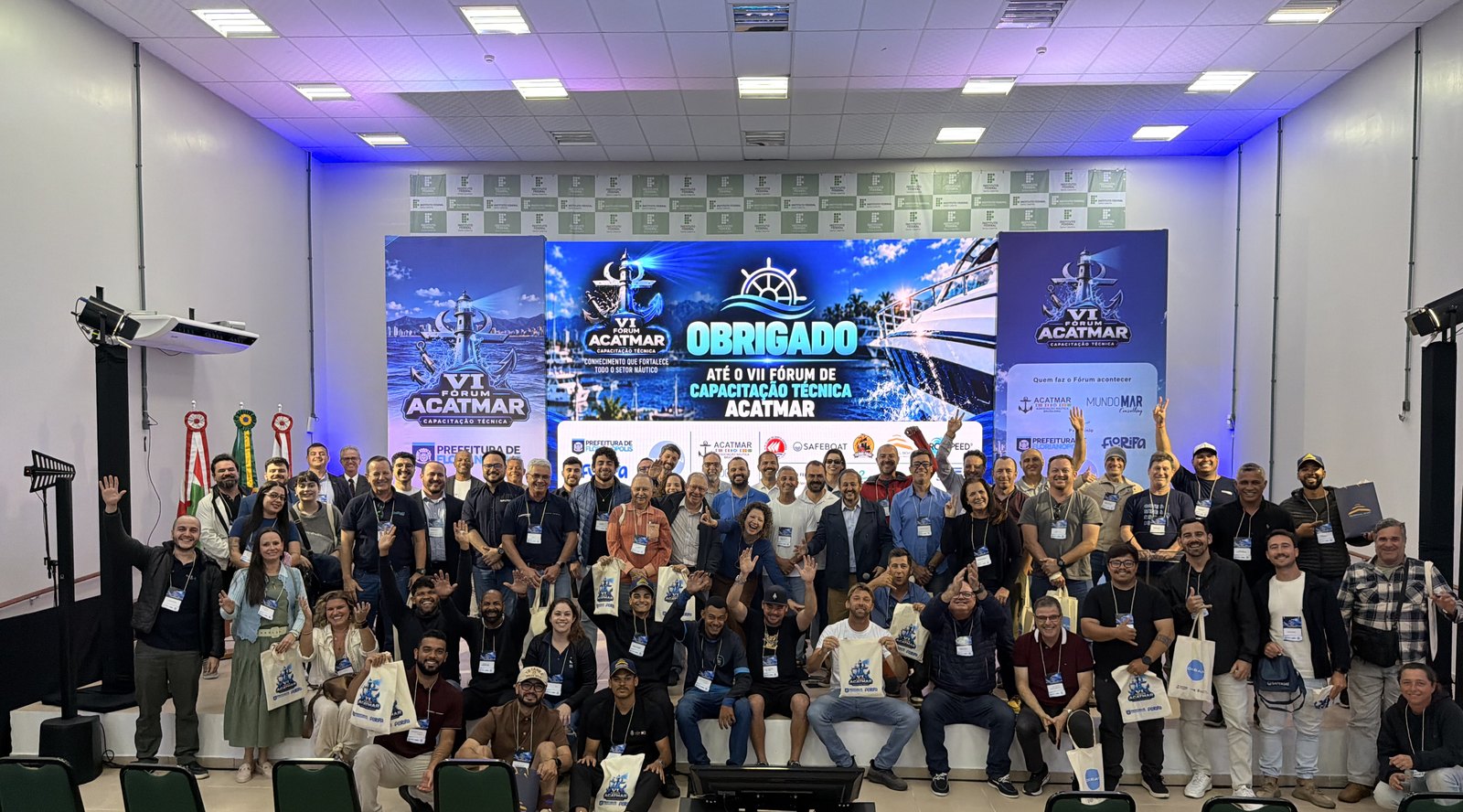
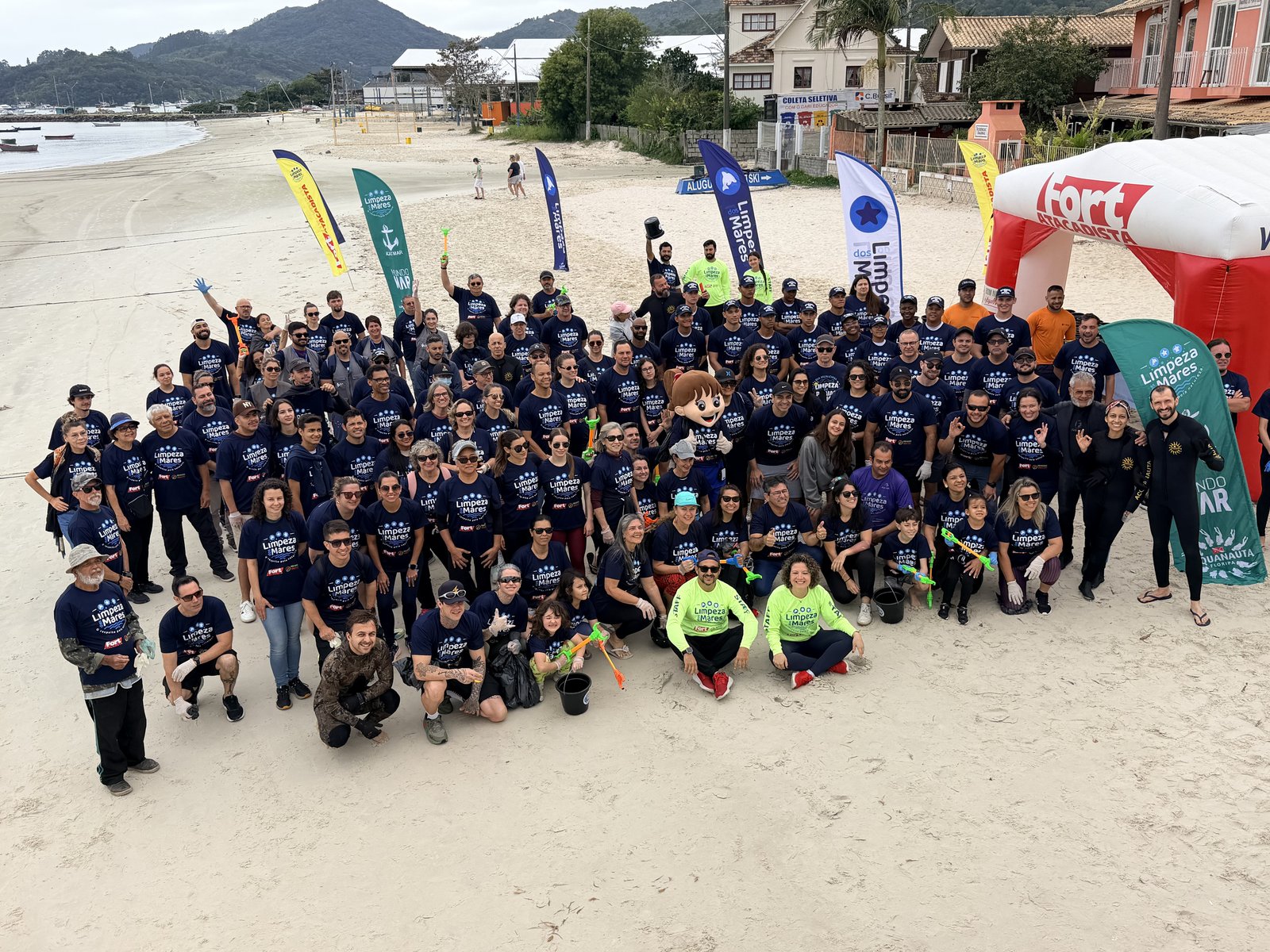
By signing the support agreement, the association commits to fostering the blue city model alongside states and municipalities. It follows the same line as the projects ACATMAR has run for years, which already work as blue economy practice in the territory: Limpeza dos Mares, environmental education in schools, the Forum's free technical training and the nautical projects designed and donated to public authorities.
"This is a moment of learning across several fronts of the blue economy, but it is also an exchange of knowledge among everyone in the room, and ACATMAR comes to add to the knowledge of the sea economy and of Brazil's nautical sector," said Leandro "Mané" Ferrari, ACATMAR's president.
Florianópolis as a case study in the classroom
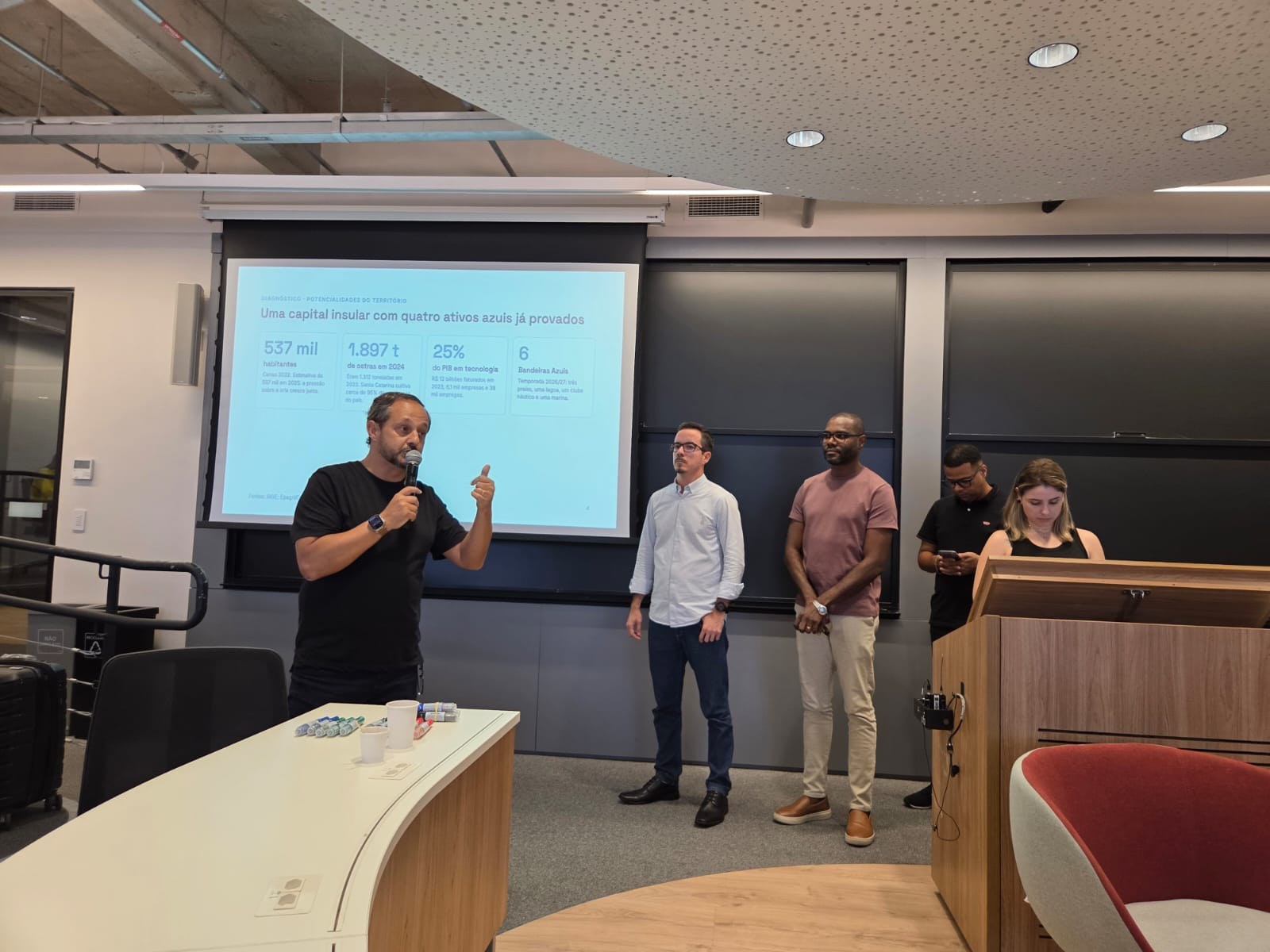
During the program, the team ACATMAR's president was part of presented the class with Florianópolis' diagnosis as an island capital with four already proven blue assets. There are 537,000 inhabitants, 1,897 tonnes of oysters produced in 2024 against 1,312 tonnes in 2023, with Santa Catarina farming about 95% of national production, 25% of the city's GDP coming from technology, a sector that turned over R$ 12 billion in 2023 with 5,100 companies and 39,000 jobs, and six Blue Flags awarded for the 2026/27 season, across three beaches, a lagoon, a nautical club and a marina.
Who was in the room
The fourth class of the Blue Economy and Cities executive program gathered 26 participants from five states, São Paulo, Santa Catarina, Rio de Janeiro, Amapá and Rio Grande do Sul, across 24 hours of classes at the Center for City Studies, Insper's Arq.Futuro Laboratory, in Vila Olímpia. The course included municipal public managers, port sector executives, Brazilian Navy officers, Sebrae from Santa Catarina and Amapá, Abeemar, institutes, non-governmental organizations and members of parliament.
A book on the law of the sea handed to the professors
At the same meeting, professors Antonio Pinaud and Renato Dias Regazzi received from Fabián Ramírez Cabrales, of the Colombian Navy and institutional relations at Instituto Ocean, his own work "La regulación del derecho al paso inocente de buques extranjeros que naveguen por mar territorial colombiano", published by the Instituto LatinoAmericano de Altos Estudios (ILAE). The subject speaks directly to the certification's discussion: who uses the sea, for what and under which rules.
For the nautical sector, the practical effect is direct. A city with organized sea governance is a city that knows where a marina can be installed, where fishing and mariculture operate, where nautical tourism grows without conflict and where private investment finds the security to arrive. That is where ACATMAR comes in as an institutional supporter of the certification.